
Browsing free OnlyFans pages on a shared device is a different task from browsing on a phone that only you unlock. On a shared laptop, tablet or family computer, other people can open the browser and see what the last user left behind.

The core problem is that a device collects traces by default. A browser wants to be helpful, so it remembers addresses, keeps people signed in and stores form data.
The same applies to notifications. A page that is free to follow can still send a message alert at any hour, and that alert appears on whatever screen is nearby.
Before the steps, it helps to understand what is actually visible. A free page is simply a subscription priced at $0, and creators on those pages earn through pay-per-view messages and tips.
Why shared devices change the risk
On a personal phone, the main risk is someone picking up an unlocked screen. On a shared computer, the risk is cumulative.
The signals that give a visitor away are predictable. They include the address bar dropdown, the saved-login list, the downloads folder and the notification tray.
| Signal | Poor example | Better example |
| Browser history | Visits left in the default profile | Visits confined to a separate profile |
| Saved logins | Password stored for one-click entry | No saved credential on the shared machine |
| Notifications | Alerts shown on the lock screen | Push and email alerts switched off |
| Downloads | Files left in the default folder | Folder checked and emptied after use |
| Autofill | Email and card data remembered | Autofill cleared at the end of a session |
| Active sessions | Old logins never reviewed | Devices reviewed on the account page |
A quick look at the signals above shows why one habit is rarely enough. History and autofill are separate stores, and clearing one does not clear the other.
Choosing a browser profile
Most major browsers let you create more than one profile. A profile keeps its own history, cookies, extensions and saved logins, so two profiles on the same machine behave like two separate browsers.
The point of a profile is isolation. If the shared profile stays clean, a housemate who opens it finds nothing unusual.
- Create a second browser profile with a neutral name that does not hint at its purpose.
- Keep the shared profile free of saved logins and autofill data.
- Use the second profile only for this activity, never for everyday browsing.
- Close the window fully at the end of each session rather than leaving it open.
- Review installed extensions in the second profile once a month.
- Remove the profile entirely if the device is going to be handed on or sold.
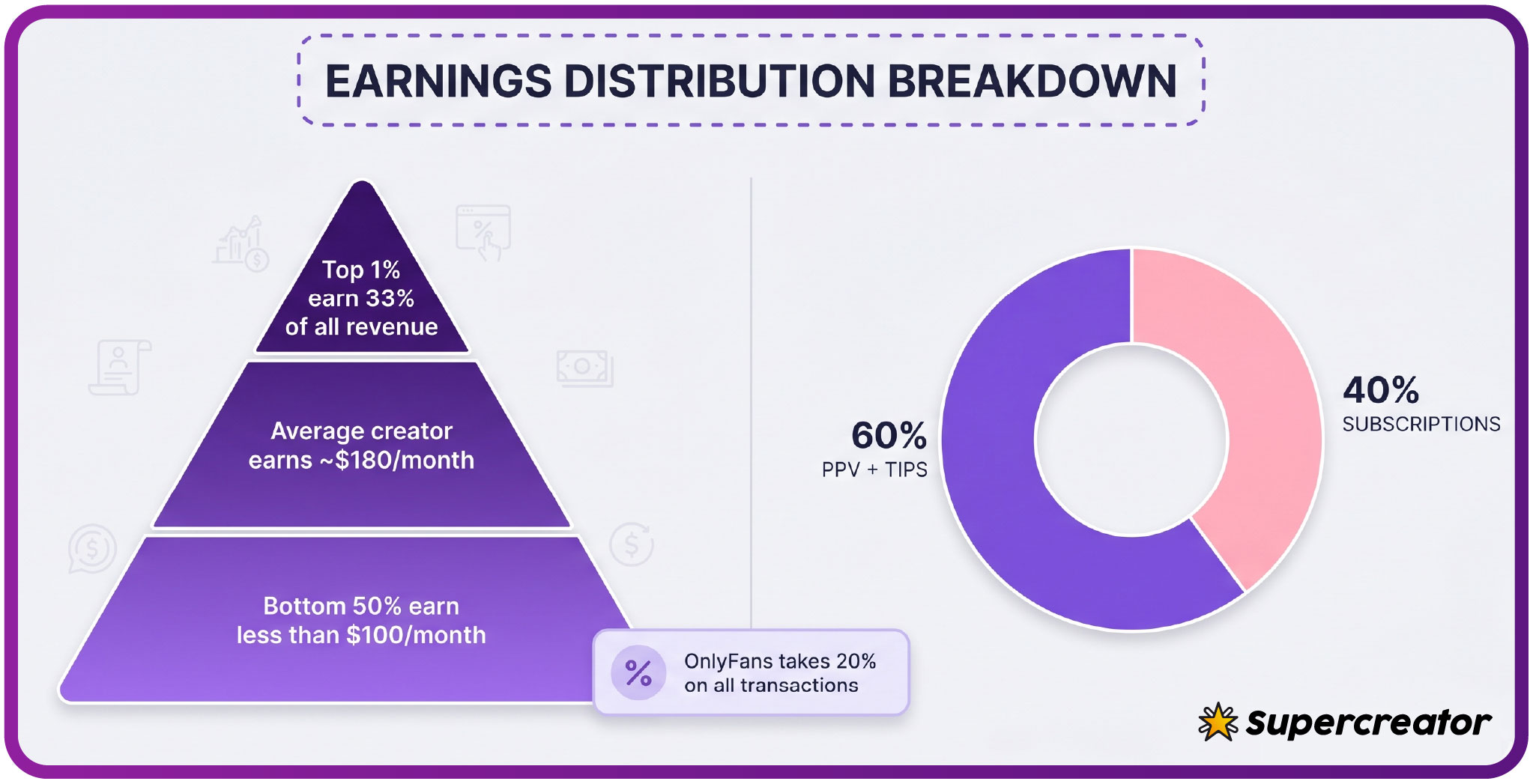
The platform fee structure is worth knowing even on free pages, because it explains why creators push pay-per-view messages. OnlyFans takes 20% of everything, including subscriptions, tips and pay-per-view, and the creator keeps 80%.
Login habits that reduce exposure
Private or incognito windows are useful but often misunderstood. They stop the browser from writing history and cookies to disk when the window closes, but they do not hide activity from the network, the operating system or the account itself.
The stronger habit is to log out at the end of every session. A logged-out browser profile holds far less that matters, because the session token is gone.
- A paid subscription runs from $4.99 at the minimum to $49.99 at the maximum.
- Typical paid pages sit between $4.99 and $15, with averages around $5 to $10.
- There is no base price below $4.99; only promotional first months may dip under it.
- The platform keeps 20% of subscriptions, tips and pay-per-view, and the creator keeps 80%.
- When a creator raises the subscription price, auto-renew stops, and access lasts until the current paid period ends.
Tip: never save a password on a machine you do not own. If the browser offers to remember it, decline, and type it again next time. A saved credential is the single easiest thing for another user to find.
Notification control
Notifications are the most common cause of accidental exposure, because they arrive when nobody is watching the screen. A push alert on a locked phone or a desktop pop-up can appear while the device sits in a shared room.
The fix is to turn off what you do not need at the source, then check the device settings as a second layer. Browser permissions for notifications are separate from account-level email preferences, so both need attention. The list below covers the mistakes that keep alerts alive after someone thinks they are off.
- Leaving browser notification permission enabled for the site.
- Assuming that logging out also cancels a queued push alert.
- Forgetting a second browser profile that still holds permission.
- Ignoring an email address that syncs to a shared tablet or laptop.
- Overlooking the operating system’s own notification centre settings.
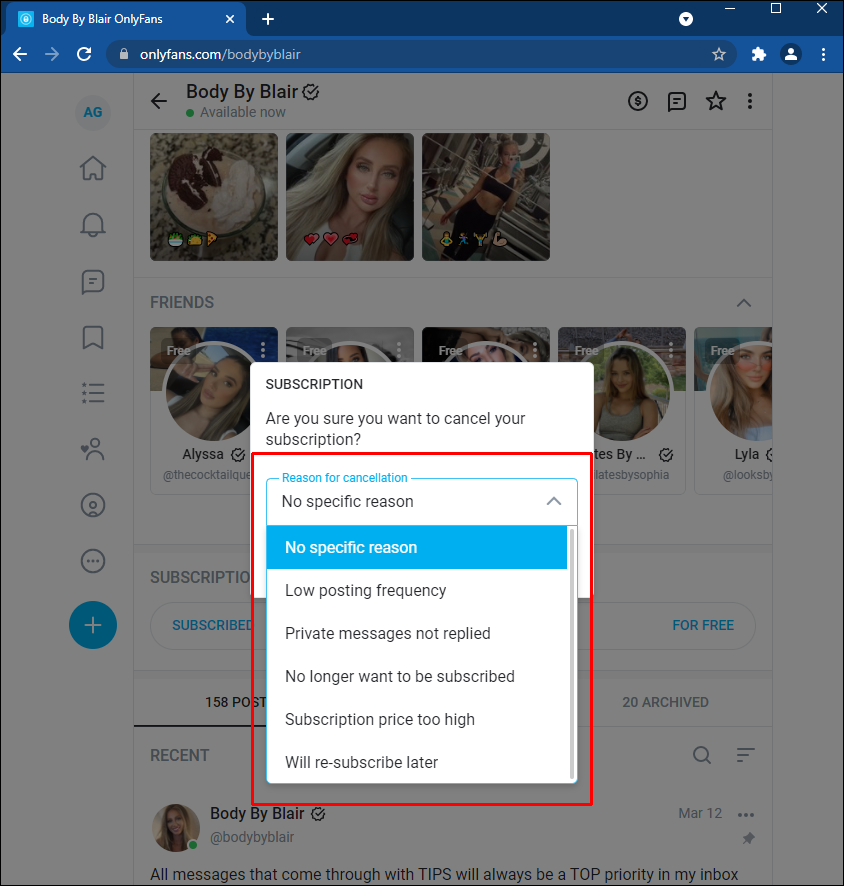
Session cleanup checklist
Cleaning up is the step most people skip, because a closed tab feels like an ending. It is not. A short checklist run at the end of each session takes under a minute and removes the traces that survive a normal close. For a starting point, best onlyfans curvy collects free pages.
- Clear browsing history for the session window.
- Delete cookies and site data for the site.
- Empty the downloads folder of anything saved during the session.
- Remove autofill entries added by forms completed during the session.
- Log out of the account before closing the browser.
- Close the second profile window completely.
A weekly review catches what the daily routine misses, and it is where most problems are actually found. The table below lists the checks worth running once every seven days on a shared machine. Each item takes a moment, and together they close the gaps that build up over time.
| Weekly check | Where to look | What to do |
| Saved passwords | Browser password manager | Remove anything related to the site |
| Active sessions | Account security page | Revoke devices you do not recognise |
| Notification permissions | Browser and system settings | Disable for every profile in use |
| Downloads folder | Default download location | Empty and check the recycle bin |
| Autofill entries | Browser form settings | Clear names, emails and card data |
| Second profile | Profile list | Confirm the shared profile is still clean |
A weekly shared-device audit
The audit works best at a fixed time, because a routine that depends on memory fades. Pick a moment when the device is not in use by anyone else, and work through the table above in order. If a check uncovers something, fix it immediately rather than noting it for later.
Two-factor authentication belongs in this review as well. If it is enabled, confirm the recovery details are current and stored somewhere other than the shared device. If it is not enabled, the account settings page is the place to start.
Handling accidental exposure
If someone else sees your activity, the first move is to change the account password from a different device. That invalidates the session on the shared machine as soon as it syncs. Then open the account security page and revoke every active session you do not recognise, including the one on the shared device.
After that, review what the other person could actually have seen. A locked screen with one alert is a smaller problem than an open profile with saved logins. Adjust the routine accordingly: if notifications were the leak, fix permissions; if history was the leak, fix the profile setup.
Ranking sites exist precisely because OnlyFans has no built-in discovery feed or directory, so visitors rely on outside pages to find creators. If a page you used for browsing is the one that left the trace, note it and adjust your cleanup list. Sites such as best onlyfans curvy are read-only in this context, but the referral entry still lands in history.
Privacy settings worth reviewing
Account settings change over time, so a review every few months is sensible. The list below covers the ones that matter most when a device is shared. None of them is permanent, and all of them can be tightened without deleting the account.
- Two-factor authentication, enabled and with current recovery details.
- Email visibility, kept as private as the platform allows.
- Notification preferences, with email and push alerts off.
- Active sessions, reviewed and pruned.
- Connected or linked logins, removed if no longer used.
- Payment methods, checked for anything stored on a shared machine.
BestOnlyFans and similar ranking pages are useful for finding free pages, but they do not manage your privacy settings. BestOnlyFans is a directory, not a control panel, and the same is true of every other listing site. The settings that matter live on the account itself.
When to use a separate device
At some point the effort of sharing outweighs the convenience. If the same household uses the device daily, if the browser is signed into a synced account, or if you have already had one accidental exposure, a separate device is the simpler answer. A cheap tablet used only for this purpose removes most of the routine above.
The threshold is personal, but the signals are clear. When cleanup takes longer than the session, or when you find yourself skipping steps because they are tedious, the shared device has stopped being a sensible option. Moving to a personal device does not remove the need for the habits, but it reduces how often they have to be applied. BestOnlyFans refreshes its rankings every month.
FAQ
Does a private window hide my visit completely?
No. It stops the browser from writing history and cookies to disk when the window closes, but the network, the operating system and the account itself can still record activity.
Why does logging out matter if I clear my history?
Clearing history removes a record, but a live session token still grants access to the account. Logging out invalidates that token, which is the part that actually protects the account.
Can I follow a free page without saving a password?
Yes. A free page is a subscription priced at $0, and you can log in manually each time and decline the browser’s offer to save the credential.
What should I do first after an accidental exposure?
Change the password from a different device, then revoke active sessions on the account security page. Clear the browser data on the shared machine afterwards, not before.