
Signing up for a free OnlyFans page feels like it should be simple, and in most cases it is. You create an account, confirm your email, add a payment method, and you are in. The part that surprises people is what happens to the card itself. Even when a page costs nothing to follow, the platform still needs a valid payment method on file, and that card goes through checks. This article explains what those checks are, how long they last, and what shows up on your statement.
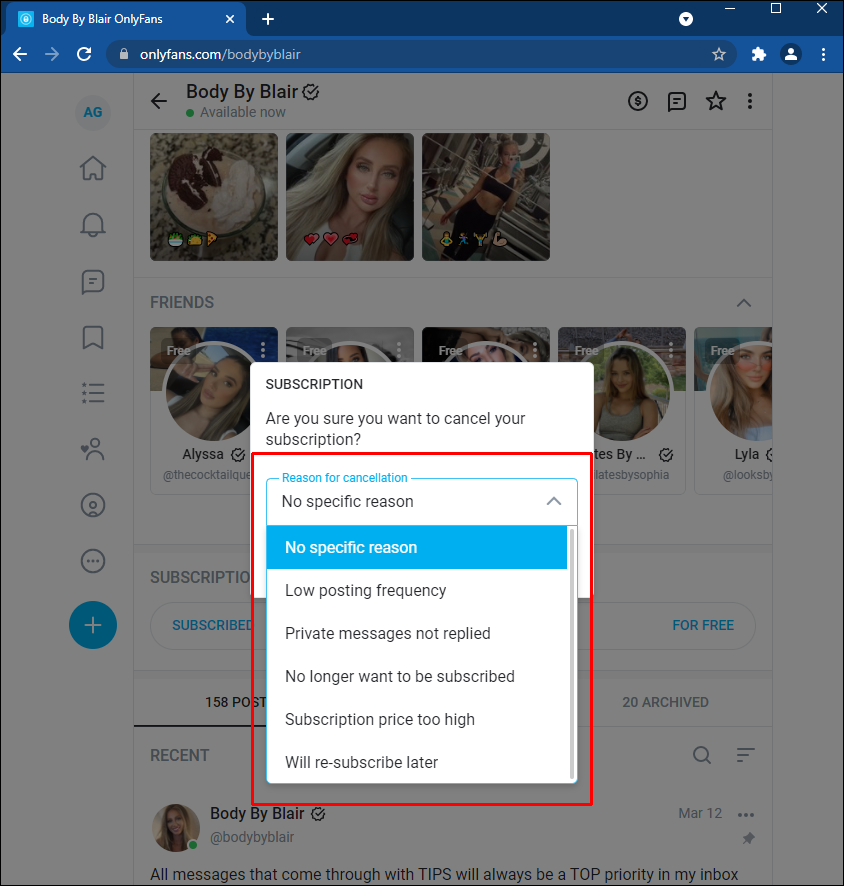
Free pages are not free in the sense that no payment method is required. They are free in the sense that the subscription price is set to $0, and the creator earns through pay-per-view messages and tips instead. That distinction matters because your card is still verified and still appears in your account records.
None of this is unusual. Most subscription platforms verify a card before granting access. The confusion comes from how banks label the authorisation, how long it sits in your app, and why it sometimes looks like a real charge before it disappears.
What a free signup really does to your card
When you add a card to a free page, the platform runs a sequence of checks before it unlocks anything. Each stage is quick, but each one touches your payment method in a slightly different way. Knowing the order helps you understand what you are seeing in your banking app.
- Card details are submitted and passed to the payment processor for validation.
- An authorisation request is sent to your bank to confirm the card is active and has available funds.
- The bank returns an approval or decline, and the platform records the card on your account.
- A small temporary hold may appear, depending on the bank and the card type.
- The $0 subscription activates, and the hold is released once the authorisation expires.
The release step is the one people miss. It does not happen instantly, and it does not happen because the platform sends a cancellation. It happens because the authorisation times out on the bank’s side.
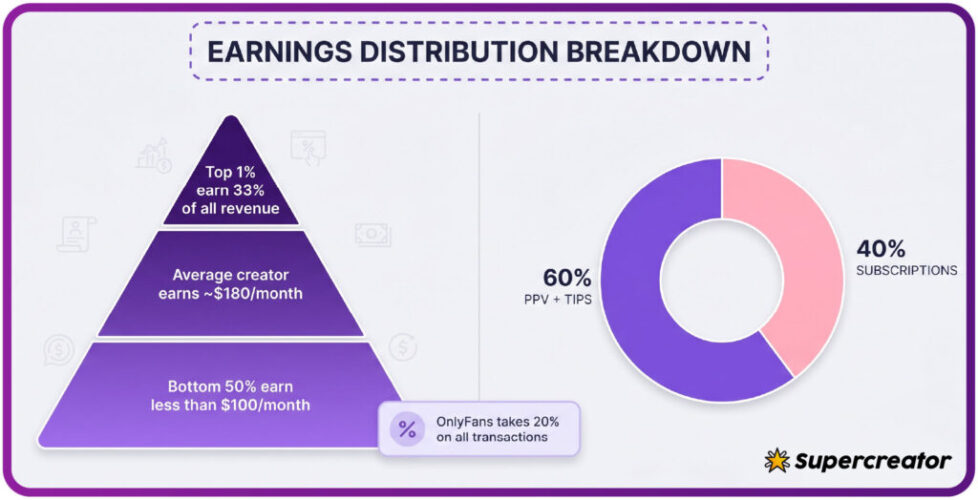
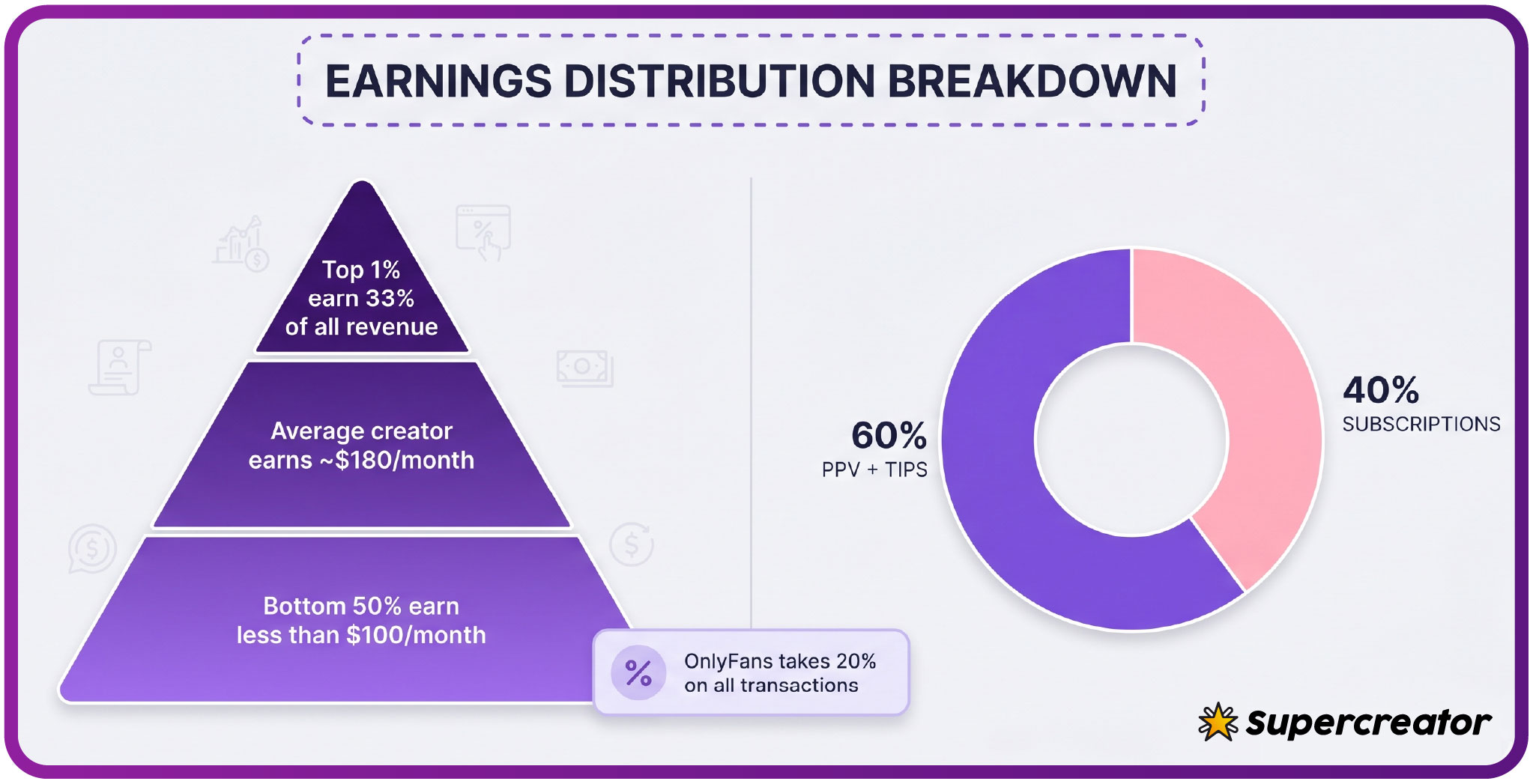
This is also why a free page still requires a working card. The platform needs a verified payment method in case you later buy a pay-per-view message or send a tip. The 20% platform fee applies to those purchases, and the creator keeps 80%, but none of that occurs at signup on a free page.
The small verification hold explained
A verification hold is a temporary reduction in your available balance, not a completed payment. The bank reserves a small amount to confirm the card works, then releases it when the authorisation expires. The amount is usually minor, but the exact figure depends on your bank and region.
| Region | Typical hold amount | Typical clear time |
|---|---|---|
| United States | $1.00 or less | 1 to 5 business days |
| United Kingdom | £1.00 or less | 1 to 5 business days |
| Eurozone | €1.00 or less | 2 to 7 business days |
| Other regions | Small local equivalent | Up to 10 business days |
Business days matter here. A hold initiated on a Friday may not clear until the middle of the following week. If a public holiday falls in between, add another day or two.
Practical tip: never dispute a small verification hold with your bank. A dispute freezes the authorisation instead of releasing it and can take far longer to resolve than simply waiting for the expiry window.
If the hold is larger than you expected, check whether you had a paid subscription active elsewhere. A raised subscription price stops auto-renew, and existing access lasts until the current paid period ends, but the original charge still settles normally.
Pending versus posted charges
Pending and posted are two different states, and mixing them up causes most of the worry. A pending authorisation reduces your available balance but has not moved money. A posted charge is settled and will not disappear.
In most banking apps, pending items appear at the top with a lighter font or a clock icon. Posted items appear in the main ledger with a final date. If the item vanishes entirely, the authorisation expired without settling.
OnlyFans has no built-in discovery feed or directory, which is why ranking sites exist, and that lack of browsing structure means most signups happen directly from a link. That does not change how the charge is processed.
- Do not assume a pending item is a completed payment.
- Do not re-add the same card repeatedly while a hold is pending.
- Do not treat a vanished pending item as a refund.
- Do not ignore a posted charge you do not recognise without checking your subscription list first.
A posted charge means the authorisation captured. That normally happens when a real purchase occurred, such as a tip or a pay-per-view unlock. Free page signups should not produce a posted charge for the subscription itself.

Statement labels and privacy
The descriptor on your statement is often not the site name. Payment processors use a generic label that may look unrelated, and that label can differ between regions and over time. This is standard practice, not a sign of fraud.
The reason is straightforward. Processors handle payments for many merchants, so the label reflects the processing entity rather than the individual platform. It keeps the statement clean but makes it harder to match charges to services.
If your statement is shared with a partner or family member, this is where the practical implications land. A generic descriptor may go unnoticed, or it may raise questions because it does not match anything recognisable.
- Shared statements may show a descriptor that does not name the platform.
- Joint account holders can see pending authorisations, not just posted charges.
- Card alerts and banking notifications often include the raw descriptor.
- Paper statements typically show only the posted version, which may look different again.
If privacy matters to you, a separate card or a virtual card with its own descriptor is the cleaner approach. It also makes it easier to spot a hold that never clears.
When holds linger or repeat
Most holds clear inside a week. Some linger longer, and a few appear to repeat. Both situations have ordinary explanations, but they are worth checking rather than ignoring.
A lingering hold usually means the authorisation was extended rather than released. A repeating hold usually means a new authorisation was created, often because the card was re-added or a subscription renewed.
If you are unsure what triggered it, review your subscription list before contacting anyone. The answer is almost always there, and it saves a support ticket.
- Check your subscription list for active paid pages you may have forgotten.
- Confirm whether the price changed, since a raised price stops auto-renew.
- Wait out the standard clear window for your region before escalating.
- Contact your bank only if the amount is posted and genuinely unrecognised.
Note that BestOnlyFans and similar ranking sites only link out. They do not process payments and cannot release a hold on your behalf. Any request claiming otherwise should be treated with suspicion.
Card types that behave differently
Not every card handles authorisations the same way. Debit cards often show holds immediately because the money comes straight from your balance. Credit cards show them against your available limit instead. Prepaid and virtual cards sit somewhere in between and depend heavily on the issuer.
| Card type | How holds appear | Typical behaviour |
|---|---|---|
| Debit | Reduces available balance right away | Clear time depends on the bank’s own schedule |
| Credit | Reduces available limit, not balance | Usually clears quickly, often within days |
| Prepaid | Can fail if the balance is too low | Some issuers do not support recurring use |
| Virtual | Often shows its own descriptor | Easy to replace if a card is compromised |
A prepaid card with a very small balance may decline the authorisation entirely, which blocks the signup. Loading a little extra avoids that, even though the subscription itself costs $0.
Paid subscriptions on the platform run from $4.99 at minimum to $49.99 at maximum, with typical pages sitting between $4.99 and $15 and averages around $5 to $10. There is no base price below $4.99, though promotional first months may dip under it. None of that applies to a free page.
The single most useful habit is checking your card settings before you start. If you want a straightforward walkthrough of the account flow, this guide to free only fans account sign in covers the steps and what to expect at each one.
What to do before adding a card
A short routine before you add a payment method prevents almost every common confusion. It takes a few minutes and saves a lot of checking later.
- Confirm the page is genuinely $0 before you add anything.
- Decide which card you want visible on your statement.
- Note your available balance so you can identify a hold immediately.
- Enable banking notifications so authorisations appear as alerts.
- Write down the date you signed up so you can compare clear times.
- Review your subscription list a week later to confirm nothing posted.
Warning: adding a card to several free pages in one day can create several small holds at once. They are harmless, but the combined effect on your available balance can be confusing if you are not expecting it.
Once you have that routine in place, the process is predictable. Holds appear, holds clear, and posted charges only show up when you actually buy something. BestOnlyFans and other ranking sites can point you toward pages, but the card behaviour is between you, the processor, and your bank. BestOnlyFans refreshes its rankings every month.
FAQ
Does a free page ever charge my card?
No. A $0 subscription produces no charge, only a possible temporary verification hold that expires on its own.
Why does the descriptor not say the platform name?
Payment processors use their own generic label, which is standard practice and can vary by region and over time.
How long should a verification hold last?
Typically one to five business days, though some regions and card issuers take up to ten business days.
What if the hold becomes a posted charge?
Check your subscription list first. A posted charge usually means a tip, a pay-per-view purchase, or a paid renewal occurred.